In joint work with the lab of Hyejung Won by joint postdoc Nana Matoba, we used the SPARK dataset to identify common genetic variants associated with risk for Autism Spectrum Disorder. We were able to replicate previous findings and also identify a new locus. For that new locus, we used a multiplex parallel reporter assay (MPRA) to identify a potential causal variant. We integrated this information with existing eQTL resources to identify genes of action for those variants. You can read more about this work in the pre-print here.

Biorxiv pre-print posted on genetic effects on chromatin accessibility during human neuronal differentiation
Dan Liang, a graduate student in the lab, posted a pre-print of our work on genetic effects on chromatin accessibility in cultured human neural progenitor cells. In this work, we identified thousands of common genetic variants that influence gene regulatory activity during human neuronal differentiation. We use this data to explain the gene regulatory mechanisms of several GWAS loci for neuropsychiatric disorders and brain relevant traits. The preprint can be found here.

Dan Liang wins a travel award to attend the World Congress of Psychiatric Genetics
Bioinformatics and Computational Biology graduate student won a travel award to attend the World Congress of Psychiatric Genetics meeting in Anaheim, CA. Her talk is entitled: “Genetic Variants Affecting Chromatin Accessibility During Human Neuronal Differentiation”.
Biorxiv pre-print posted on evolutionary genomics of human brain Structure
Together with Simon Fisher and Amanda Tilot, we just submitted a biorxiv pre-print on how genetic variation through our evolutionary history impacted modern human brain structure. Interesting findings include that variation present within human-specific regulatory elements present in the developing cortex, prior to birth, have a strong impact on adult brain structure. And, alleles with evidence of selective pressure over very recent time scales (in evolutionary history) have impacts on specific brain regions, including those involved in spoken language and visual processing. Read more about this work here: https://www.biorxiv.org/content/10.1101/703793v1.

Mike Lafferty selected to attend Human Genomics Summer School.
Michael Lafferty, BCB Graduate Student in our lab, has been selected to attend the Leena Peltonen School of Human Genomics program in Switzerland on August 18-22, 2019.

Brandon Le wins training grant
Congratulations to Brandon Le who won the Bioinformatics and Computational Biology T32 training grant!
Undergraduate Tianyi Liu meets the UNC Chancellor at Poster Presentation
Tianyi Liu presented his research at the Celebration of Undergraduate Research and got to meet the Chancellor of UNC! Tianyi looks very happy :)

The Stein Lab welcomes 2 new Bioinformatics and Computational Biology Graduate Students
We’re very pleased to welcome Brandon Le and Nil Aygun to our lab! Both are students in the Bioinformatics and Computational Biology graduate program and will work with us for their dissertations. Both also have both human neural stem cell culture and bioinformatics experience as well. Excited to have them on board! See more about them here.
SPARK grant acquired to identify common variants associated with autism
Our lab and the lab of Hyejung Won (wonlab.org) acquired a grant from the Simons Foundation to identify common genetic variants associated with risk for autism. Our shared postdoc Nana Matoba is working on this project. Thanks to the Simons Foundation for their support and we hope to add to the list of common genetic variants creating risk for autism.
Review article published on imaging genetics
Brandon Le (grad student in Bioinformatics and Computational Biology) and I wrote a review on how imaging genetics can fit as one important piece in understanding mechanisms by which genetic variants create risk for neuropsychiatric disorders. We also detail what we think are some important next steps for imaging genetics research. See the paper here: https://www.ncbi.nlm.nih.gov/pubmed/30864184

Grad students win awards at the UNC Genetics Retreat in Wilmington
Dan Liang was selected to give a talk on the genetic influences of chromatin accessibility during human neuronal differentiation at the UNC genetics retreat in Wilmington, and won the best student talk of the Bioinformatics and Computational Biology program. Congrats Dan! Mike Lafferty presented a poster on miRNAs involved in human neurogenesis and won a best student poster award for the Bioinformatics and Computational Biology program. Congrats Mike!


Moving to Mary Ellen Jones Building at UNC
We are moving on March 19th, along with the UNC Neuroscience Center, to the newly renovated, window filled, Mary Ellen Jones Building! Looks really beautiful and will be a great place to do some genetics and brain science.

Undergraduates in the Stein lab off to bigger and better things!
Congratulations to Tianyi Liu, who joined our lab in 2017 and just was admitted to the UNC Biostatistics PhD program.
Also, congratulations to Leo Zsembik, the first undergraduate in the Stein lab, who was just admitted to the Oxford Neuroscience Master’s program.
We wish you both best of luck in your next scientific adventures!
Teaching middle schoolers about the brain
Today we taught some middle school students about how genetics shapes the brain, and let them explore a human brain in virtual reality.


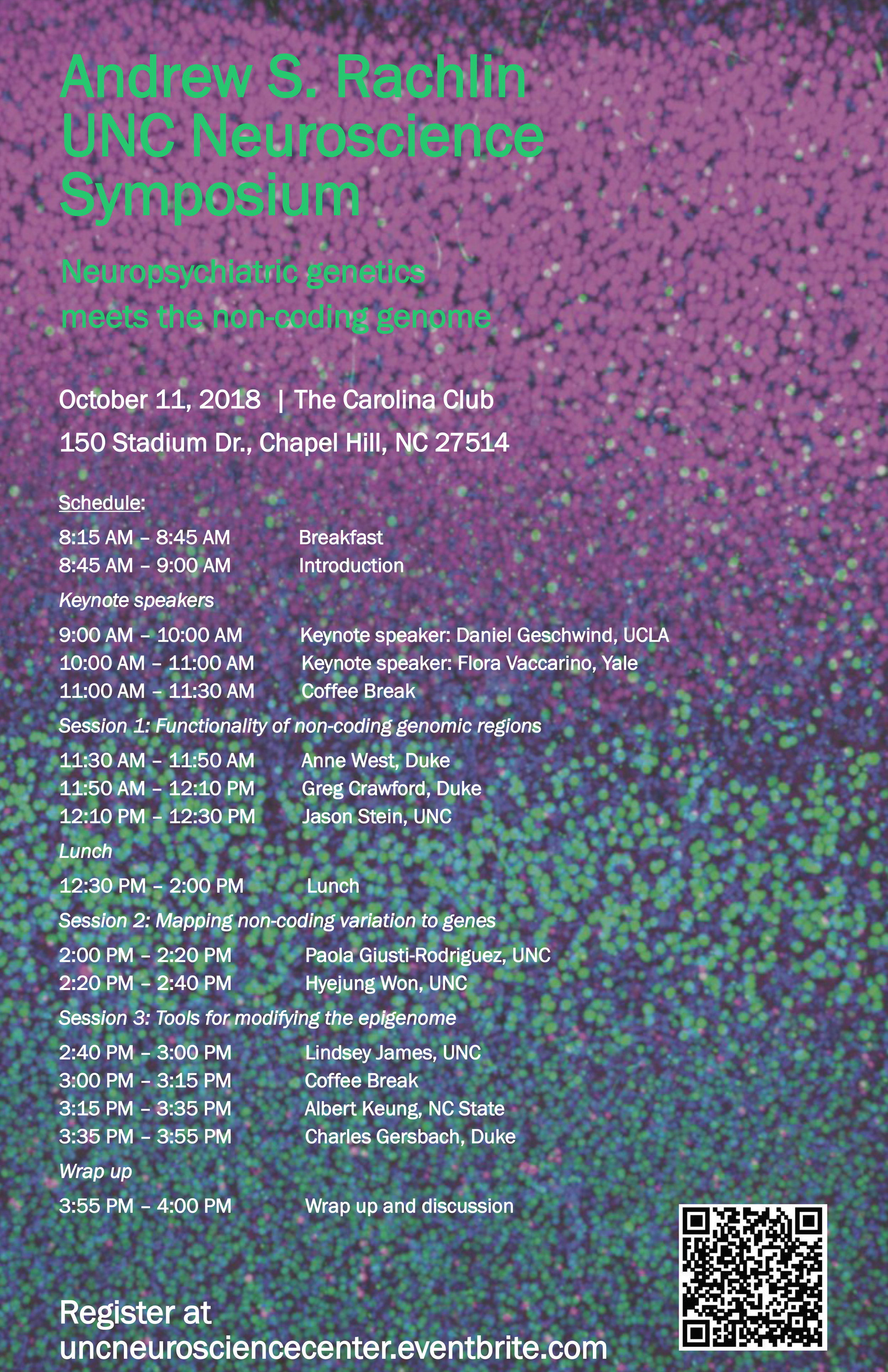
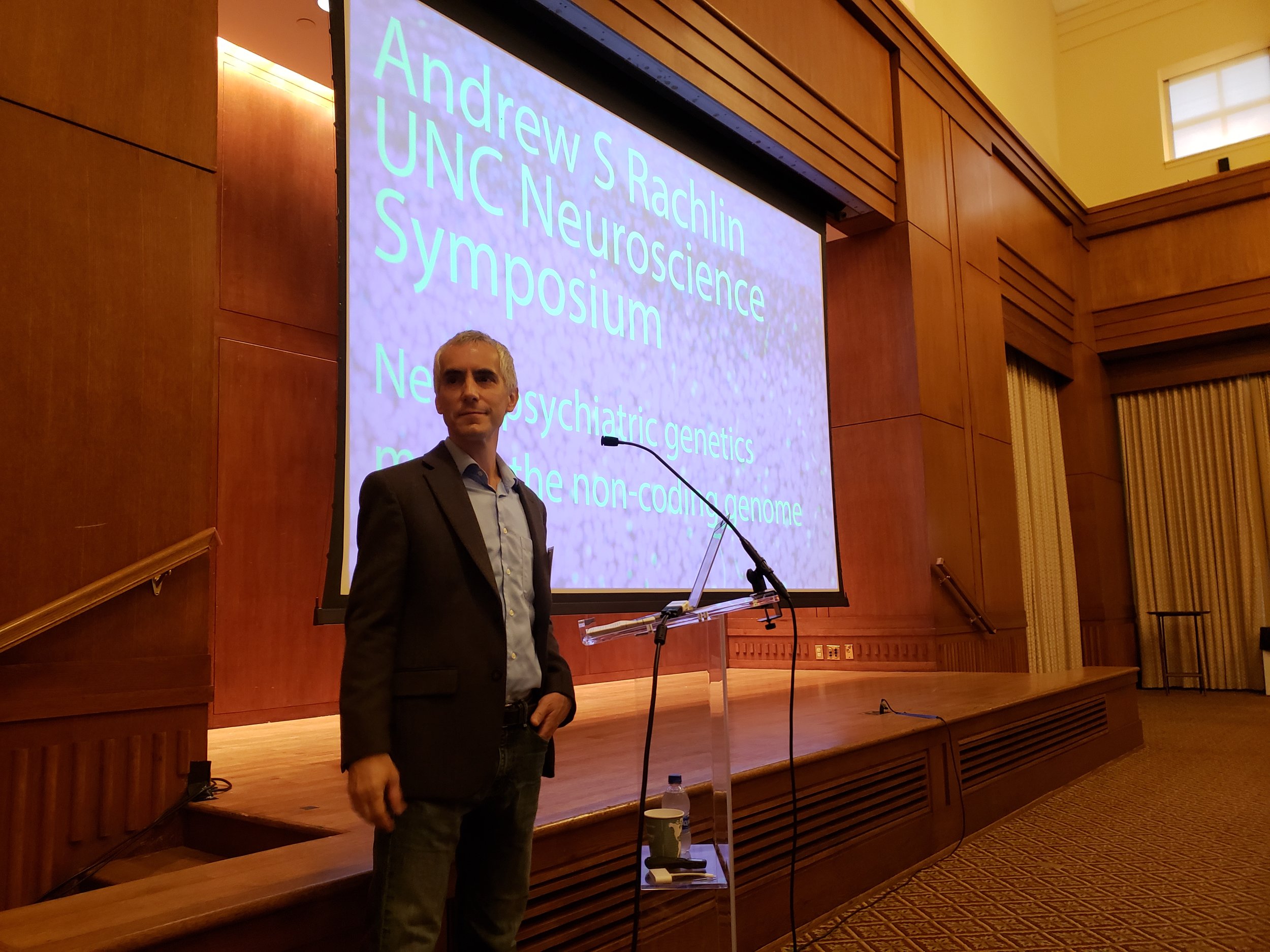
Andrew S. Rachlin UNC Neuroscience Symposium
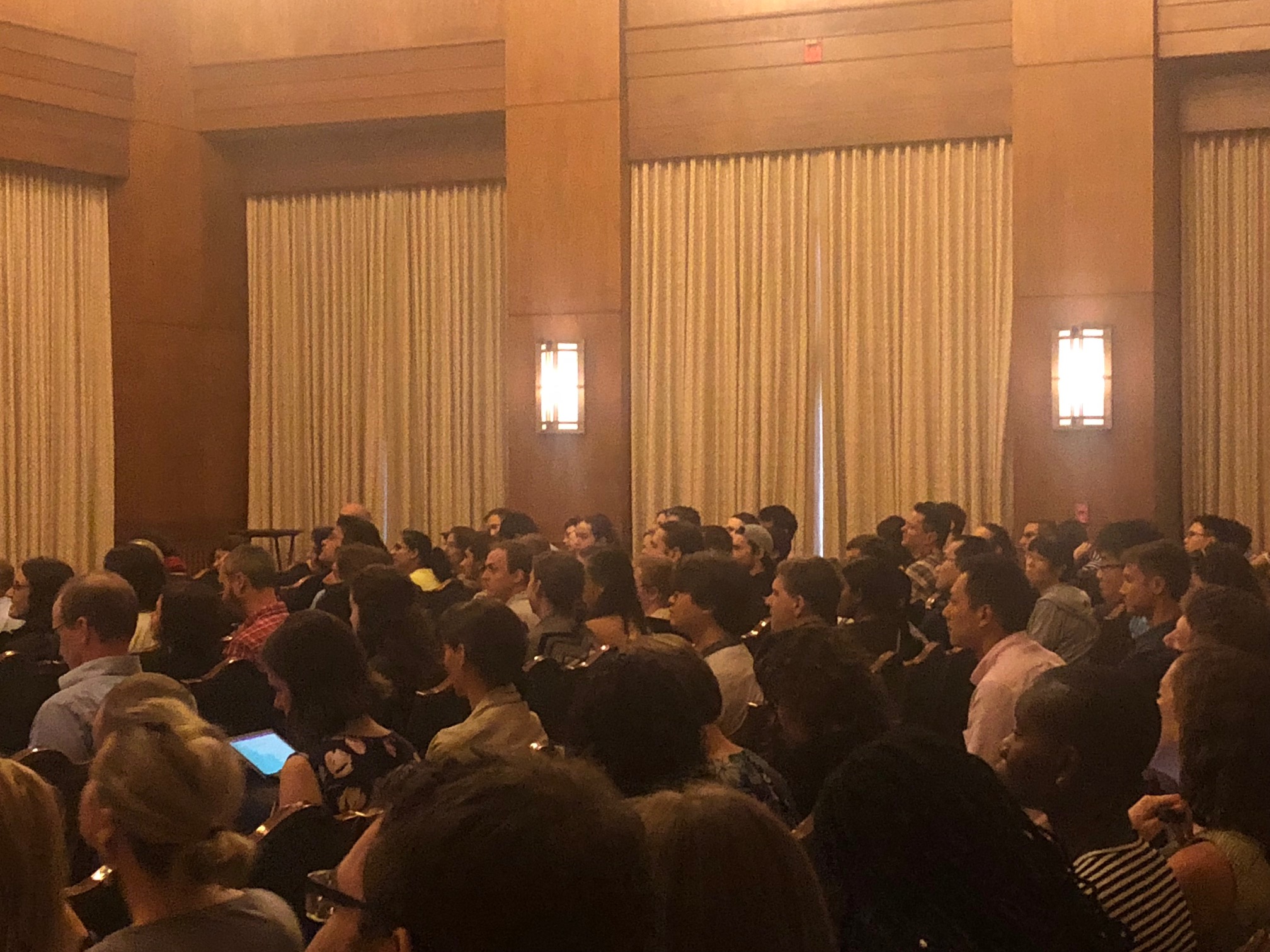
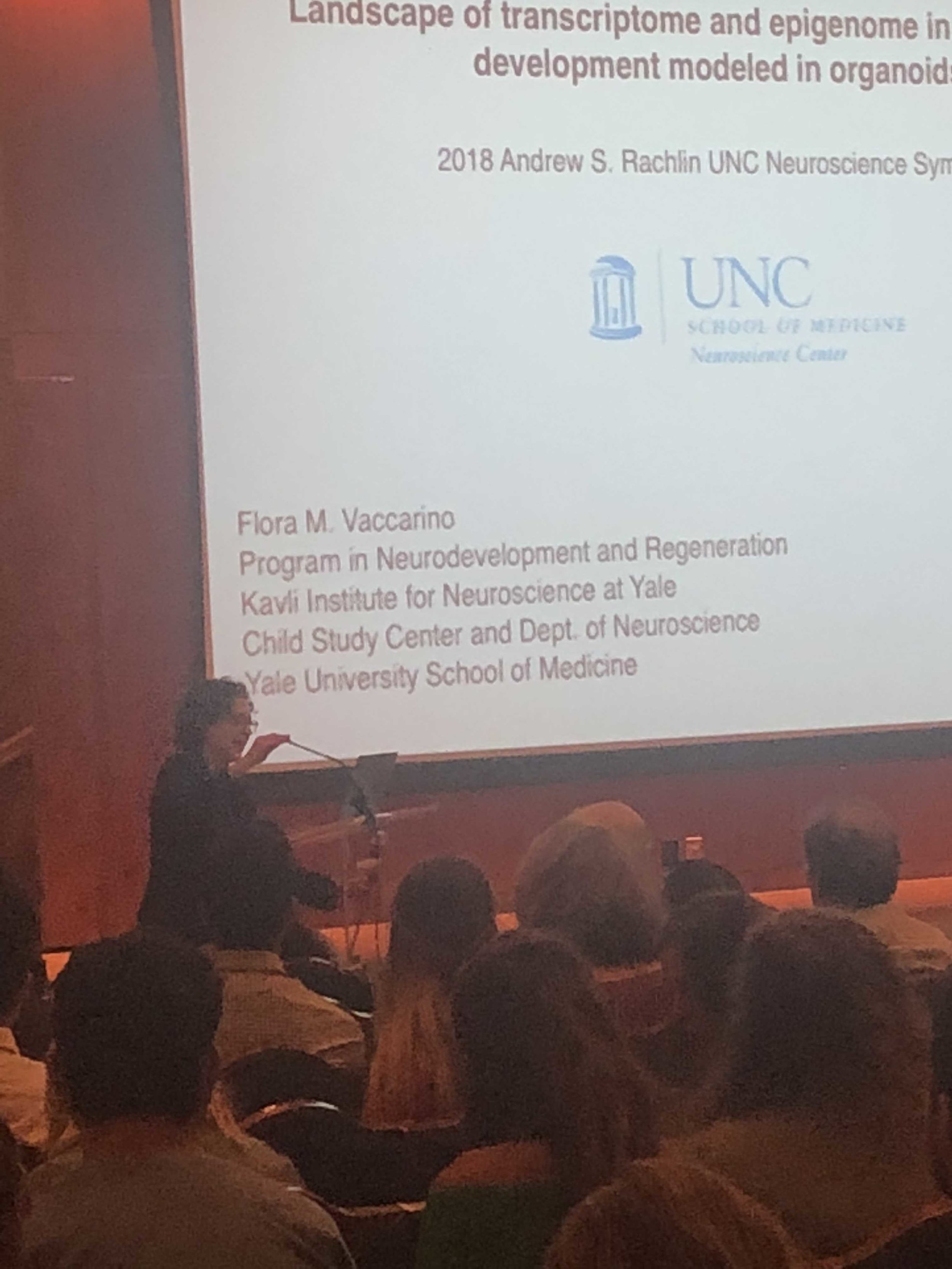
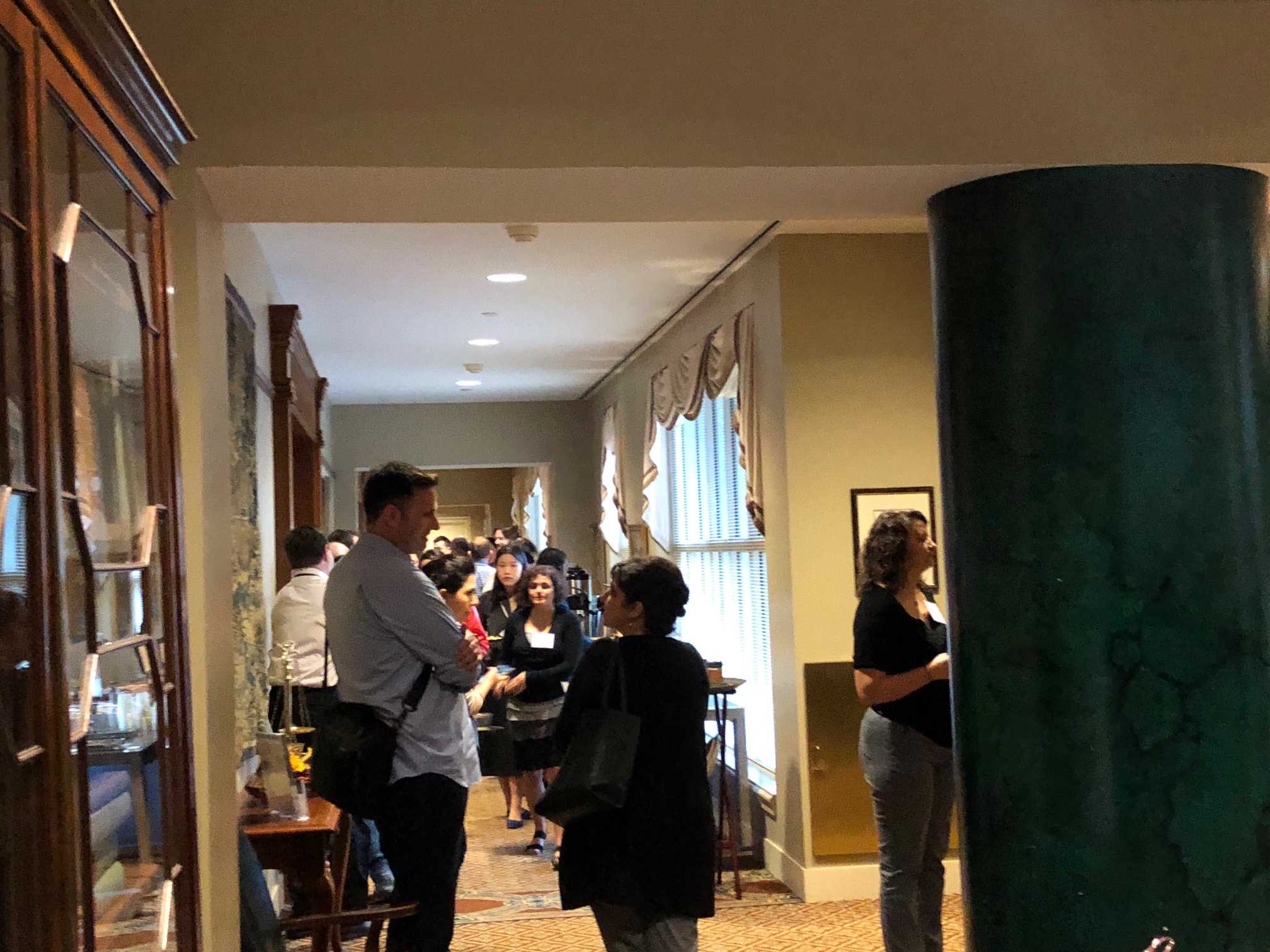
The Stein lab co-organized the Andrew S. Rachlin UNC Neuroscience Symposium this year. Thanks to Dan Geschwind and Flora Vaccarino for coming as our keynote speakers, and to all the local speakers for a fascinating seminar! Hope it leads to future collaborations and projects on tackling neuropsychiatric disorder genetics here in the triangle area.
Stein lab at the Walk for Hope
We ran the 5k (Jason) and 10k (Tianyi) at the Walk for Hope to raise money for the Foundation of Hope. This is a great organization supporting research into mental health, including supporting some of our work. https://walkforhope.com/


Rose Glass awarded T32 Neuroscience Curriculum Training Grant
Congratulations to PhD candidate Rose Glass for receiving a T32 Neuroscience Curriculum Training Grant through UNC!
UNC ARVR Interest Group meeting 6/28/18: Mapping the Mouse Brain in 3D using Virtual Reality
Stein Lab and our collaborator Dr. Guorong Wu were invited to speak at the UNC ARVR Interest Group Meeting to demo our work with mapping a mouse brain in 3D and visualizing human brain networks using virtual reality.
"Come and join us for a talk by Dr. Jason Stein and Dr. Guorong Wu of the Neuroscience Center at UNC-Chapel Hill. Dr. Stein will be talking about his work using Virtual Reality to map the mouse brain in 3D. The mouse brain has over 100 million nuclei, and current approaches that to mapping each nucleus, which involves combining 2D data, is slow and cumbersome. Dr. Wu will demo his lab’s work on visualizing the human brain network. They will present a 3D virtual reality (VR) environment to visualize the human brain connectome data for neuroscience and clinical application. Their VR environment provides a user-friendly interface and allows users to interact with the display of region-to-region connectivity in the whole brain. In addition, they integrate computational component of brain network analysis, multi-channel data fusion scenario, and a set of auxiliary functions into our VR environment. These features make their VR environment an efficient and innovative platform to analyze human brain connectome data. All are welcome."


Zach Humphrey showing a fellow Tarheel our virtual reality system.
Mapping the Mouse Brain in 3D using Virtual Reality a talk by Dr. Jason Stein and Dr. Guorong Wu of the Neuroscience Center at UNC-Chapel Hill for the AR/VR Interest Group meeting on June 28, 2018.
ENIGMA Chair meeting 2018 in New York City

Pictured here in central park on our way to lunch.
We Welcome Rose Glass to Stein Lab!
Rose Glass is a graduate student in the Biological and Biomedical Sciences Program in the Neuroscience Department at UNC-Chapel Hill. Welcome Rose!